Homes and businesses
Flood insurance on Long Island and across New York
Homeowners and business policies don't cover flood. Whether you're on the South Shore, near a bay, or in an inland low spot, I can compare NFIP and private flood policies for you.
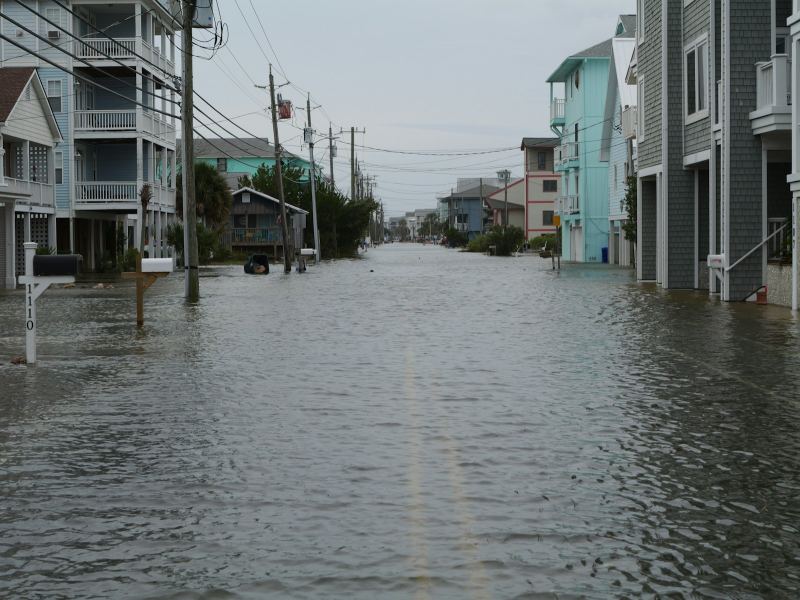
Flooded residential street.
Who should look
Who should look at flood insurance
Flooding isn't only a coastal problem. Heavy rain, storm surge, and overwhelmed drainage can flood homes far from the water, and people outside high-risk zones file a large share of flood claims.
- Homeowners on Long Island’s South and North Shores
- Homes and businesses near bays, canals, and creeks
- Property owners with a mortgage that requires flood coverage
- Renters who want their belongings protected
- Landlords of basement and garden-level units
- Businesses in low-lying commercial areas
New York specifics
Flood insurance in New York
Most NFIP policies have a 30-day waiting period before coverage starts, with some exceptions, such as a new mortgage. Don't wait until a storm is in the forecast.
Under the NFIP's current rating approach, premiums reflect each property's individual flood risk, not just the flood zone. Elevation certificates and mitigation steps can still help in some cases.

What it covers
Flood policy options
The NFIP is backed by the federal government. Private flood insurers may offer higher limits or different coverage.
- NFIP building coverage
- The structure and its systems, up to the program's limits.
- NFIP contents coverage
- Your belongings, purchased separately.
- Private flood
- Possible higher limits, replacement cost options, and other features.
- Excess flood
- Additional limits above an NFIP policy for higher-value homes.
- Commercial flood
- Coverage for business buildings and contents.
- Basement limits
- What is and isn't covered below ground level.
A quote is not coverage. Nothing is in place until the insurer confirms it in writing, so keep your current policy until the new one is confirmed.
What I need to quote flood
- Property address and foundation type
- Elevation certificate, if you have one
- Whether you have a basement
- Your mortgage's flood requirement
- Desired building and contents limits
- Prior flood claims
Please don't send your Social Security number, date of birth, or bank or card details. I don't need them to start.
How I'm paid
When you buy a policy through me, the insurance company pays me a commission, and I may also receive other compensation from insurers. There's no fee for a quote. You can ask me for the details of my compensation at any time, and you'll get my written disclosure before you apply.
- Broker
- Anthony Yanza Tomala, Licensed Insurance Broker, State of New York
- License
- 1986535
- NPN
- 22297253
- Office
- Yanza Brokerage Group
139 N Ocean Ave, Suite 204, Patchogue, NY 11772
Other coverage for your home
Flood sits beside the rest of your property coverage.
Flood insurance questions
Short answers to what people ask me most.
Does homeowners insurance cover flooding?
No. Flood is excluded from standard homeowners and business property policies. You need a separate flood policy.
Is there a waiting period for flood insurance?
Most NFIP policies take effect 30 days after purchase, with some exceptions. Private flood policies may have shorter waiting periods.
Do I need flood insurance if I'm not in a high-risk zone?
It isn't required, but many flood claims come from outside high-risk zones. I can help you decide whether it makes sense for your home.
Does flood insurance cover my basement?
Coverage below ground level is limited, usually to items like furnaces, water heaters, and electrical systems, not finished walls or contents.
What's the difference between NFIP and private flood?
The NFIP is federally backed with set limits. Private flood can offer higher limits and different features, depending on the insurer.
Don't wait for the forecast
Send me your address and I'll compare NFIP and private flood options.